


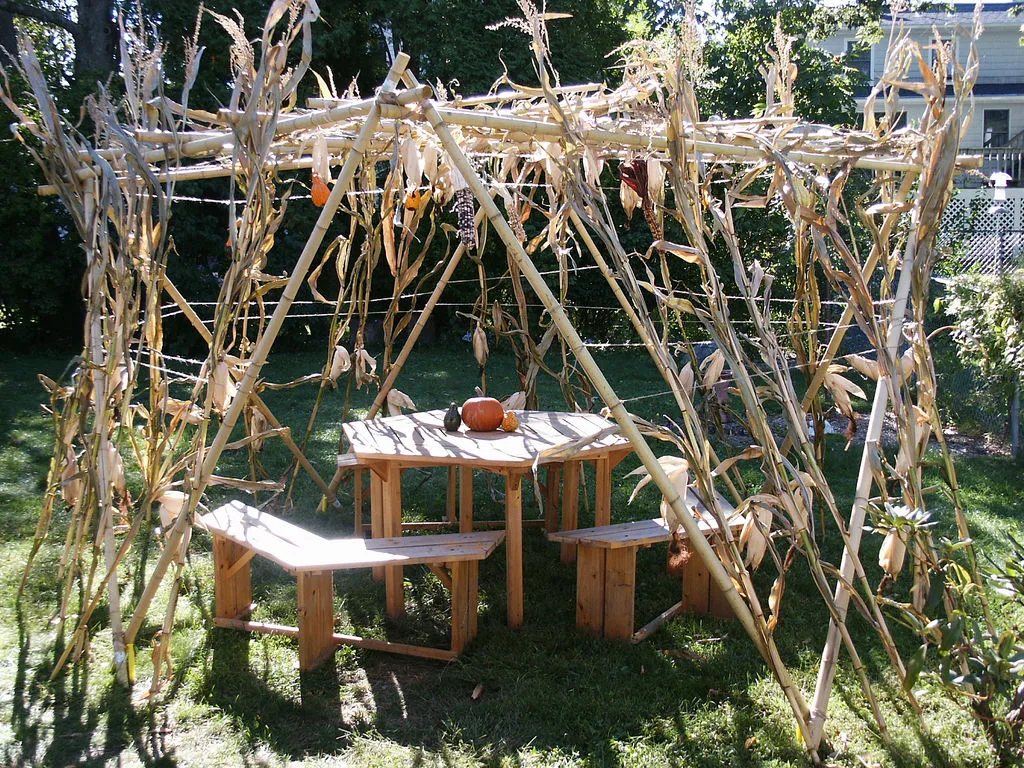
At sunset on Monday, October 6, 2025, the festival of Sukkot begins – a pilgrimage celebration and one of the happiest times in the Jewish calendar. The festival lasts for nine days: the first two and the last two are full holidays, the days in between are semi-holidays, the seventh day is called Hoshanah Rabbah, the eighth Shemini Atzeret, and the ninth Simchat Torah.
The name Sukkot comes from the word suka – a hut or booth – which reminds us of the forty years of wandering of the Jews in the desert, when they lived in temporary dwellings made of natural materials. Before the holiday, a suka is erected in the yards of homes and synagogues, decorated with the first autumn fruits, where meals are eaten during the holiday, and if the weather is nice, people also sleep there.
Sukkot is a time of joy, gratitude, and community, which is why it is called Z’man simhatenu – “the season of our joy.” During the holiday, a ritual is performed with four species of plants: etrog, lulav, hadas, and aravah, which symbolize the diversity among people and the importance of mutual understanding and unity.
Sukkot is also a harvest festival, a time of gratitude for the fruits of the earth and the abundance that autumn brings.
The celebration of Sukkot concludes with the holiday of Simchat Torah, which marks the end of the annual cycle of the Torah and the beginning of a new cycle. Simchat Torah is a holiday when all the rules and customs that apply to festive days are observed, but it is also a day of joy for the completion of the Torah reading.